What Does Professional Mould Remediation Actually Involve?
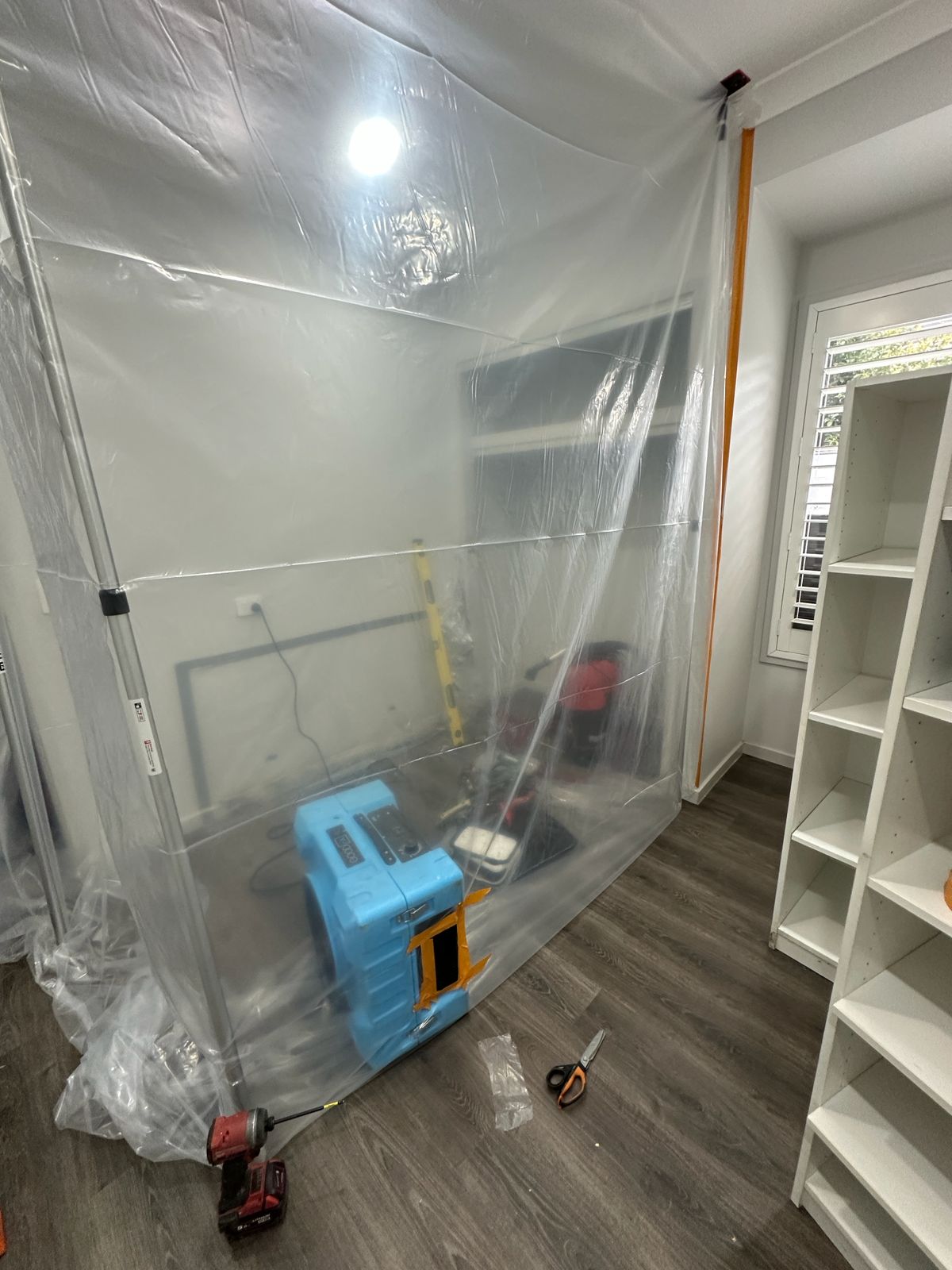
Mould remediation is about more than spraying visible mould and wiping the surface clean.
Depending on the extent of contamination and the materials affected, professional mould remediation can combine specialised cleaning, containment, air filtration, removal of affected materials and investigation of the underlying moisture problem. So what can actually be involved?
HEPA Vacuuming for Mould Removal
HEPA stands for High Efficiency Particulate Air. HEPA filtered equipment is designed to capture very small particles, not just larger visible debris.
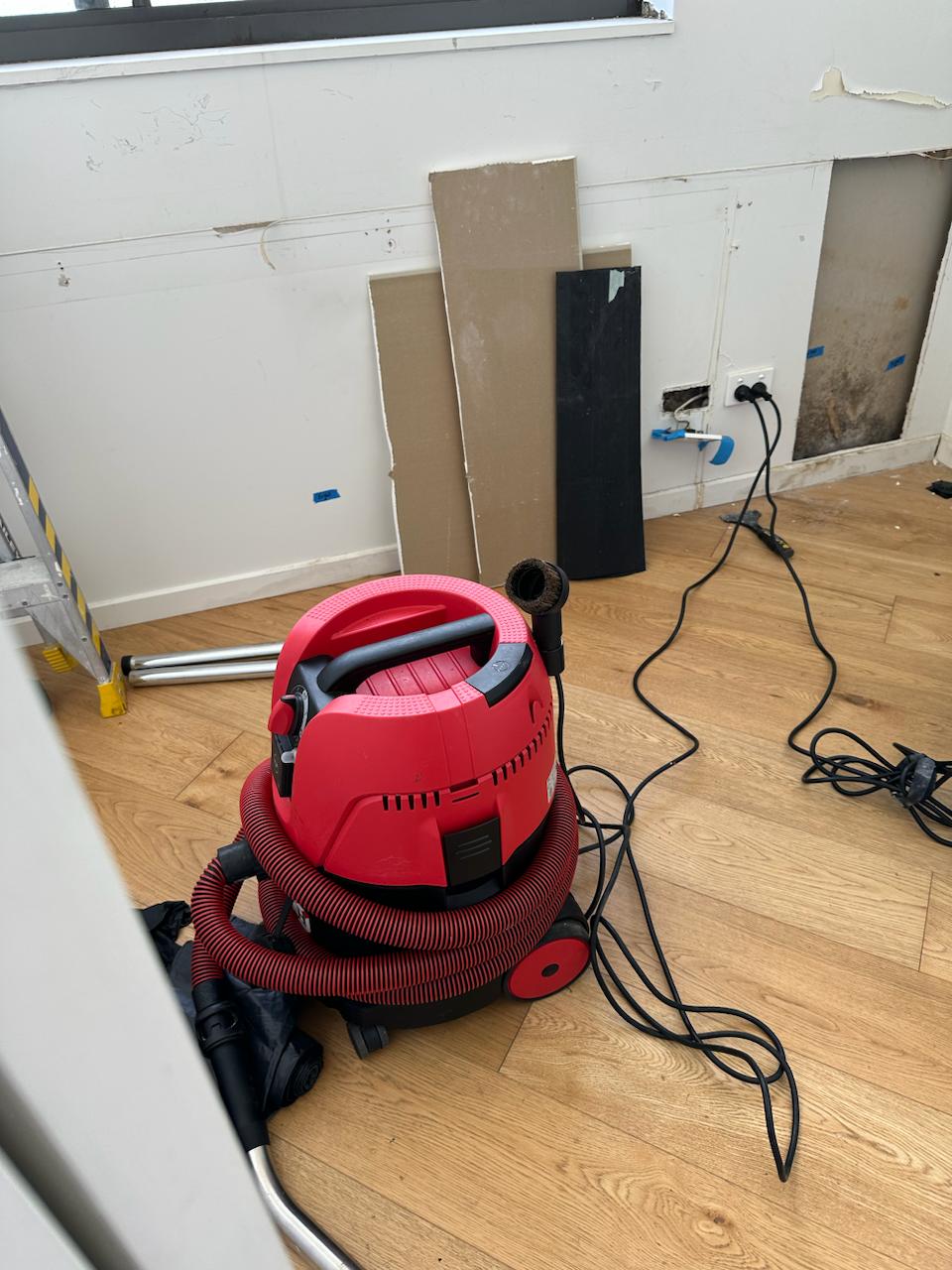
During remediation, HEPA vacuuming can physically remove fine particulate contamination from affected surfaces and work areas. It is usually only one part of the process, though. The overall method depends on the materials affected, the extent of contamination and the conditions at the property.
Containment and Air Filtration During Remediation
Remediation work can disturb mould spores, fragments and contaminated dust. When affected materials are being cleaned or removed, controls may be needed to stop contamination spreading into unaffected areas.
For larger projects, this can mean setting up a contained work area with plastic barriers. Depending on the project, negative air pressure and HEPA filtered air filtration devices may also be used to control airborne particles during the works. The aim is to complete the remediation while minimising cross contamination.
Why Mould Sprays Alone Are Not Enough
One of the biggest misconceptions is that spraying mould with a chemical product solves the problem.
Killing mould and removing mould contamination are not the same thing. Even after treatment, mould material and particles can remain on the surface. That is why professional remediation focuses on physical removal and detailed cleaning, rather than relying on a product to make visible mould disappear.
Mould in Carpet and Underlay
Carpet makes remediation more complicated because the visible fibres are only one part of the flooring system. Moisture or contamination may also affect the backing, underlay and the floor underneath.
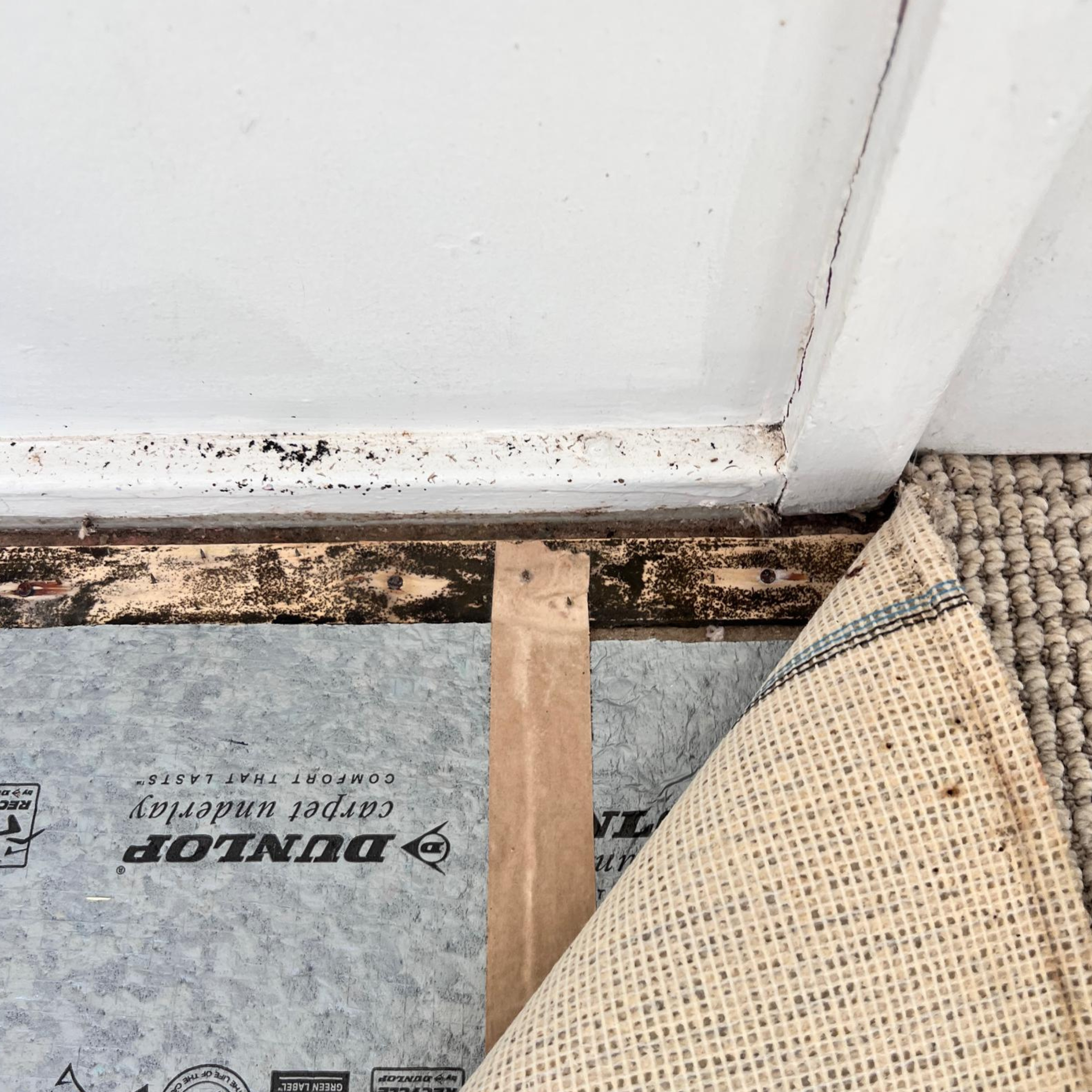
Whether carpet can be restored or needs removal depends on the extent of contamination, how much of the flooring system is affected and the condition of the materials. This is why inspecting beyond the visible surface matters.
Finding the Moisture Source Behind Mould Growth
Cleaning or removing mould affected materials does not fix the reason the mould grew. Mould is associated with moisture, so finding and addressing the underlying problem is essential.
Possible moisture sources include:
Roof leaks
Previous water damage
Condensation
High humidity
Poor ventilation
Moisture trapped inside walls, ceilings or other cavities
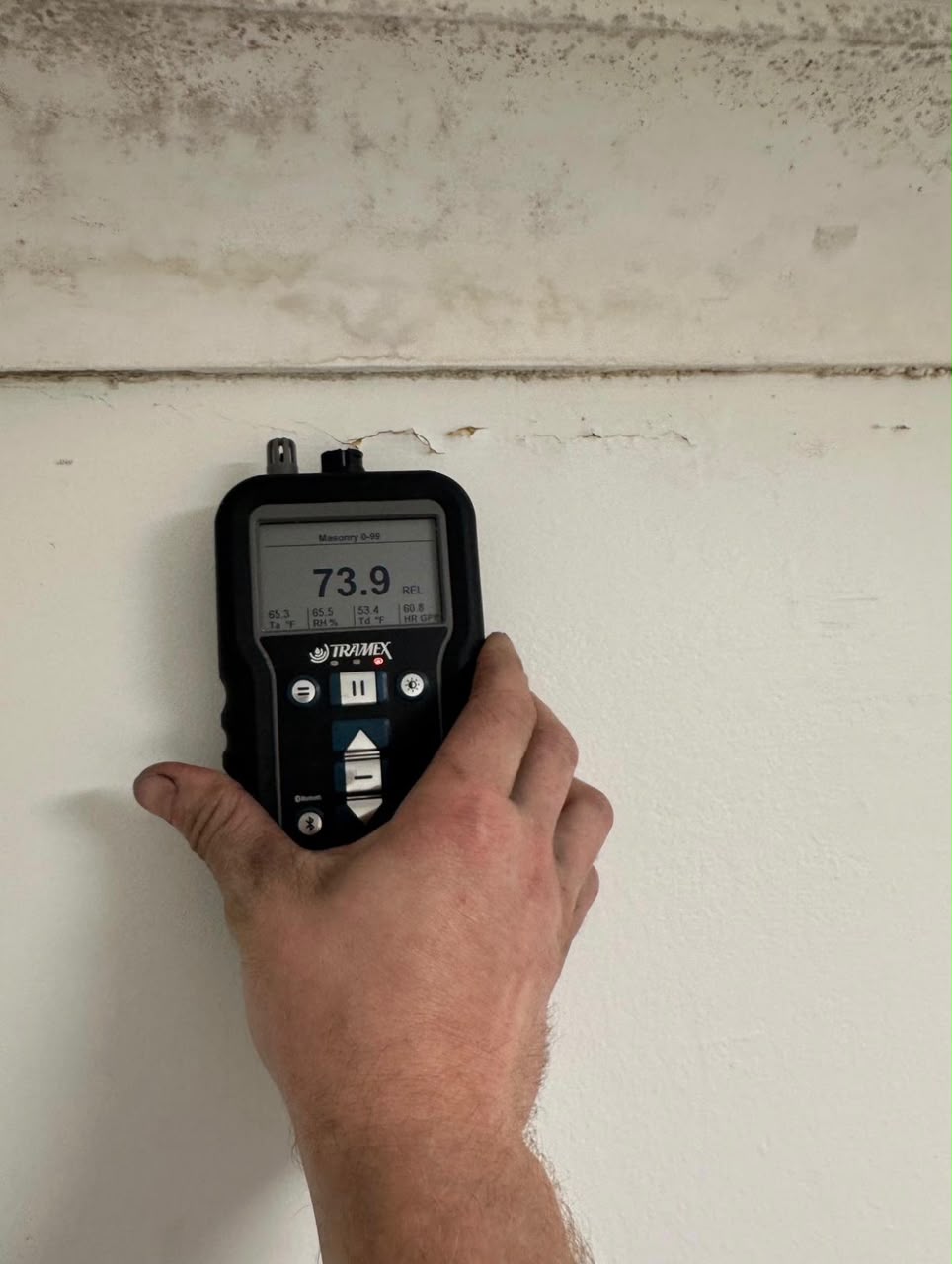
Sometimes the source is obvious. Other times, moisture testing or further investigation is needed to understand what is happening behind the surface. If the moisture problem remains, mould may come back, which is why prevention is part of the job.
Mould Remediation Goes Beyond Surface Cleaning
Every mould affected property is different. Depending on the situation, remediation may involve HEPA vacuuming, detailed cleaning, containment, air filtration, controlled material removal and investigation of moisture conditions.
What matters is working out what is affected and choosing the right method, rather than only treating what can be seen. At Mould Busters, we assess mould affected properties to determine the extent of the problem and the appropriate remediation approach.
Book a Mould Inspection
Worried about mould in your home? Call Mould Busters on (02) 9090 4625 or book a mould inspection.
